Top Benefits of Enrolling Your Child in a Play School
Choosing the right start for your child’s education is one of the most important decisions a parent can make. In today’s fast-changing world, early childhood education has become essential for building a strong foundation. Understanding the play school benefits can help parents make informed decisions that positively impact their child’s growth and future success.
Play schools are not just about fun and games—they are structured environments where children begin their learning journey joyfully and engagingly.
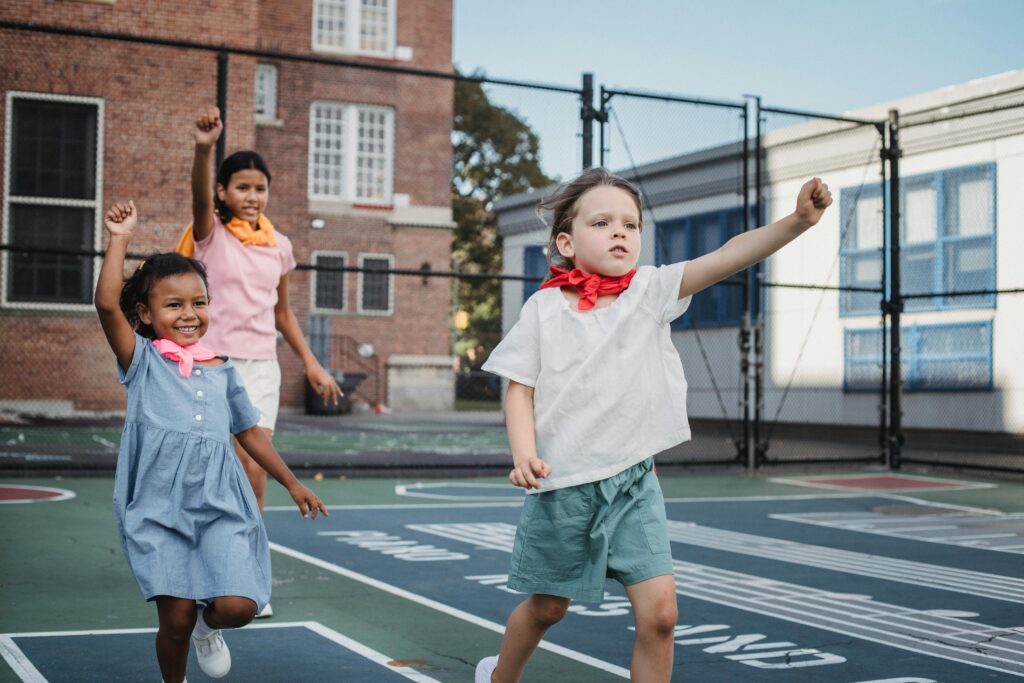
One of the key -Play School Benefits is building a strong foundation for learning
One of the biggest play school benefits is that it introduces children to the basics of learning at an early age. Through interactive activities, storytelling, and creative play, children develop cognitive skills that prepare them for formal education.
At this stage, young minds are highly receptive, making it the perfect time to build curiosity and a love for learning. At an early age, children are naturally curious, and play schools use engaging activities like storytelling, puzzles, and interactive games to stimulate their minds. These methods make learning enjoyable while helping children develop basic cognitive and problem-solving skills. Among the most straightforward benefits, early exposure to structured learning helps children grasp concepts more quickly and improves their ability to focus. This early start not only prepares them for formal schooling but also instills a lifelong love for learning, making early childhood education more effective and meaningful.
Improves Communication Skills
In a play school environment, children interact with teachers and other kids regularly. This interaction helps improve their language and communication skills.
They learn how to express their thoughts, listen to others, and engage in conversations confidently—an essential part of early childhood education.
One of the key play school benefits is the improvement of communication skills in young children. In a play school environment, kids regularly interact with teachers and peers, which helps them learn new words and express their thoughts clearly. Through activities like storytelling, rhymes, and group discussions, children develop both verbal and non-verbal communication skills. These are some of the most straightforward benefits of early learning, as children become more confident in speaking and listening. Over time, this strong communication foundation supports better academic performance and social interaction, making early childhood education highly effective for overall development.
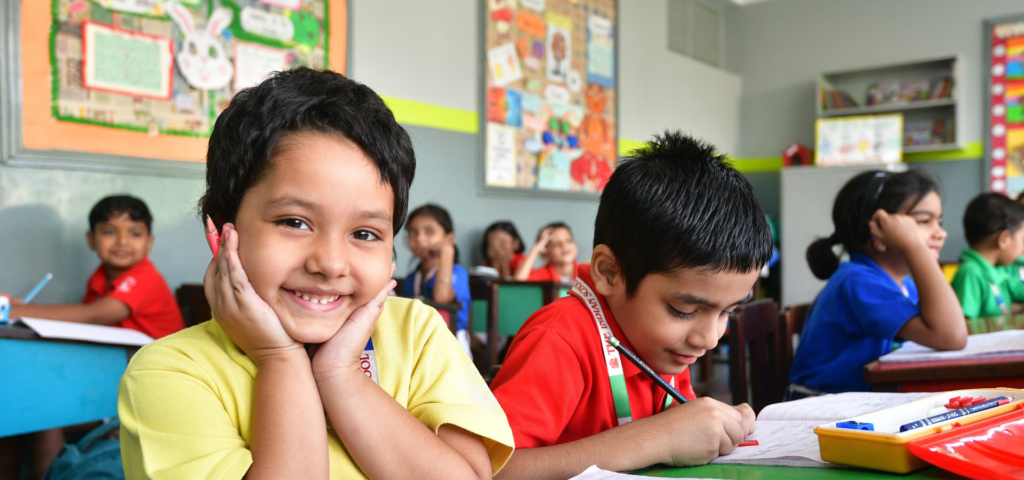
Enhances Social Development
Social skills are crucial for a child’s overall personality development. One of the key play school benefits is that it allows children to interact, share, and cooperate with others.
They learn important values like teamwork, empathy, patience, and respect, which help them build strong relationships in the future.
Encourages Creativity and Imagination
Play schools focus on creative activities such as drawing, painting, music, and role-playing. These activities stimulate imagination and allow children to think freely.
This creative exposure is an important part of early childhood education, helping children develop innovative thinking skills from Develops Motor Skills
Activities like playing with toys, puzzles, and outdoor games help children improve both fine and gross motor skills.
These physical activities are essential for building coordination, balance, and strength, making it one of the most practical ways schools prepare children for Formal Schooling
Transitioning directly into formal schooling can be challenging for children. Play school acts as a bridge by introducing routines, discipline, and basic classroom behavior.
Children become comfortable with structured learning environments, making their transition smoother andBuilds Confidence and Independence
In a play school, children are encouraged to perform small tasks on their own, such as organizing their belongings or participating in activities.
This independence boosts their confidence and helps them develop a positive self-image—an important outcome of early childhood education.
Provides a Safe and Nurturing Environment
A good play school offers a secure and caring environment where children feel safe and supported. Teachers focus on emotional well-being along with academic growth.
This nurturing atmosphere ensures that children enjoy learning without fear or Establishes Routine and Discipline
Daily schedules in play schools help children understand the importance of time management and routine.
From playtime to learning time, children gradually adapt to structured activities, which is beneficial for their future academic journey.
Promotes Holistic Development
One of the most important preschool benefits is holistic development. Play schools focus on all aspects of growth—intellectual, emotional, social, and physical.
This well-rounded approach ensures that children grow into confident, capable, and well-balanced individuals.
Conclusion
Enrolling your child in a play school is more than just an early step in education—it is an investment in their future. The numerous play school benefits highlight how these institutions play a vital role in shaping a child’s personality, skills, and confidence.
Through a blend of fun and learning, early childhood education in play schools creates a strong foundation that supports lifelong success. By choosing the right play school, you give your child the opportunity to explore, learn, and grow in a joyful and meaningful way.