Why is the role of Teachers in early childhood development crucial?
Early childhood is one of the most important stages in a child’s life. During these formative years, children begin to explore the world, develop basic skills, and shape their personalities. While parents play a key role, the Role of Teachers in early childhood development is equally crucial.
Teachers are not just educators—they are mentors, caregivers, and guides who influence a child’s learning journey. In play schools like Rainbow Play School, teachers help children build confidence, develop social skills, and foster a love for learning. A positive early learning experience can shape a child’s future success.
In this blog, we will explore the Role of Teachers in early childhood development, their responsibilities, and how they contribute to a child’s overall growth.
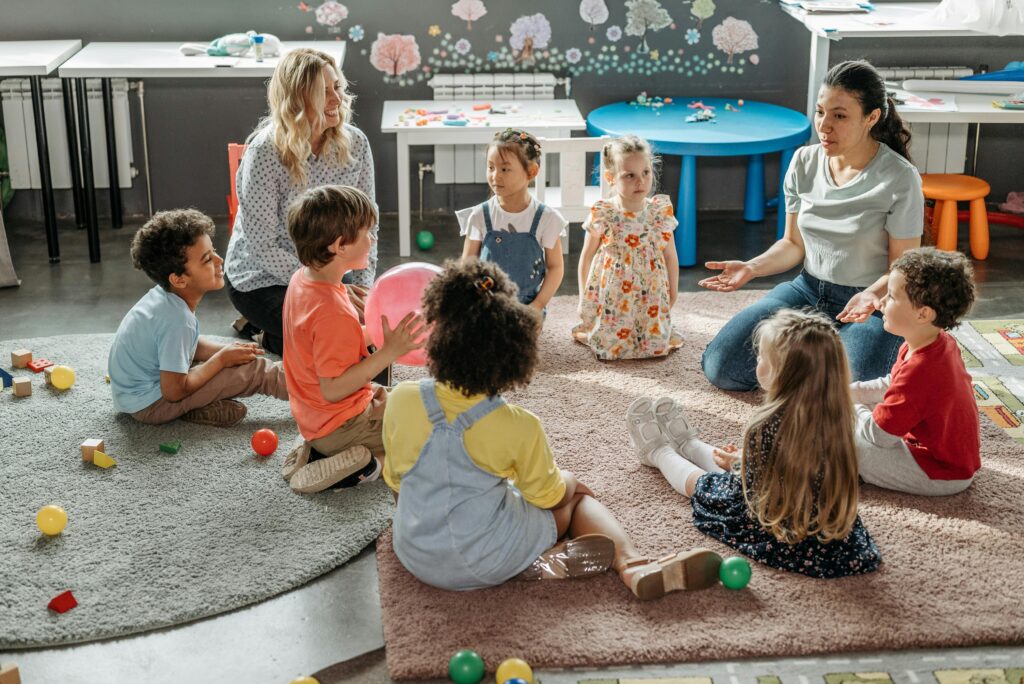
Why the Role of Teachers is Important in Early Childhood
The Role of Teachers goes beyond teaching the alphabet and numbers. Teachers create an environment where children feel safe, supported, and encouraged to learn.
Key reasons why teachers are important:
-
- They guide children’s learning experiences
-
- They build emotional security
-
- They encourage curiosity and creativity
-
- They support social and behavioral development
A good teacher can make learning enjoyable and meaningful for young children.
Key Responsibilities in the Role of Teachers
1. Creating a Safe and Nurturing Environment
One of the primary aspects of the Role of Teachers is ensuring that children feel safe and comfortable. A secure environment allows children to explore freely and express themselves without fear.
Teachers achieve this by:
-
- Maintaining a friendly atmosphere
-
- Ensuring classroom safety
-
- Building trust with children
2. Supporting Emotional Development
Young children experience a wide range of emotions. The Role of Teachers includes helping children understand and manage these emotions.
Teachers:
-
- Encourage positive behavior
-
- Teach empathy and kindness
-
- Help children handle frustration
This emotional support builds confidence and self-esteem.
3. Encouraging Social Skills
Social development is a key part of early childhood. The Role of Teachers includes helping children learn how to interact with others.
Through group activities, teachers teach:
-
- Sharing and cooperation
-
- Respect for others
-
- Communication skills
These skills are essential for building relationships.
4. Promoting Learning Through Play
Play-based learning is an effective teaching method. The Role of Teachers is to design activities that combine fun with learning.
Examples include:
-
- Storytelling sessions
-
- Games and puzzles
-
- Creative activities
This approach keeps children engaged and improves understanding.
5. Developing Communication Skills
Language development is crucial in early years. The Role of Teachers includes helping children improve their speaking and listening skills.
Teachers:
-
- Encourage conversations
-
- Introduce new vocabulary
-
- Use songs and stories
This helps children express their thoughts clearly.
6. Identifying Individual Learning Needs
Every child is unique. The Role of Teachers includes understanding each child’s strengths and weaknesses.
Teachers:
-
- Observe behavior and learning patterns
-
- Provide personalized support
-
- Encourage individual growth
This ensures that every child progresses at their own pace.
7. Encouraging Creativity and Imagination
Creativity plays an important role in development. The Role of Teachers includes encouraging children to think creatively.
Activities like:
-
- Drawing and painting
-
- Role-playing
-
- Craft work
help children express themselves and develop imagination.
8. Building Confidence and Independence
The Role of Teachers is to help children become confident and independent.
Teachers:
-
- Encourage decision-making
-
- Praise efforts and achievements
-
- Allow children to try new things
This builds self-confidence and a positive attitude.
Teaching Methods Used by Teachers in Early Childhood
1. Play-Based Learning
Teachers use play as a tool for education, making learning enjoyable.
2. Activity-Based Learning
Hands-on activities help children understand concepts better.
3. Interactive Learning
Group discussions and activities improve engagement.
4. Visual Learning
Charts, pictures, and videos help children learn effectively.
Qualities of a Good Early Childhood Teacher
The Role of Teachers becomes effective when they possess the right qualities:
-
- Patience and understanding
-
- Strong communication skills
-
- Creativity
-
- Passion for teaching
-
- Ability to connect with children
These qualities help teachers create a positive learning environment.
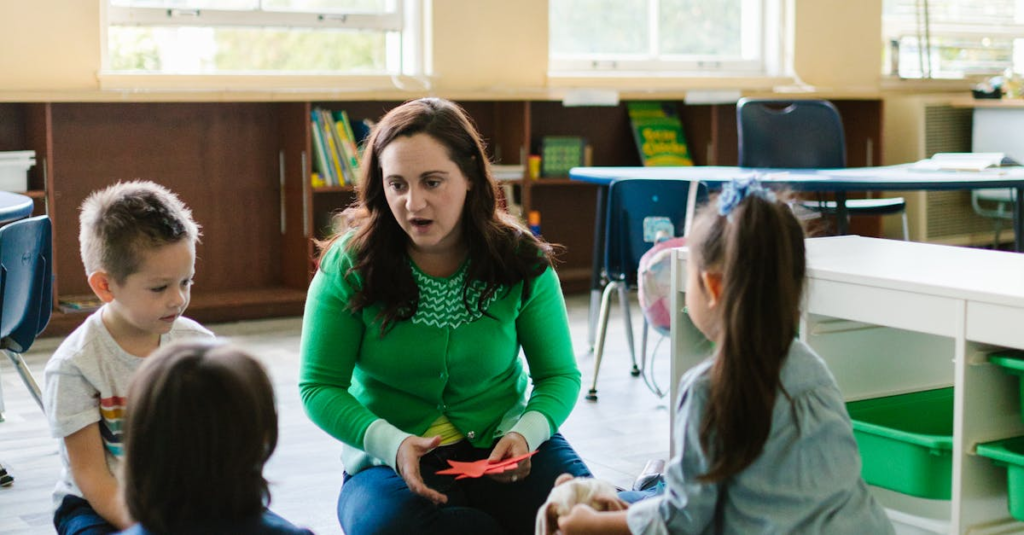
Role of Teachers in Cognitive Development
The Role of Teachers in cognitive development includes helping children:
-
- Improve memory
-
- Develop problem-solving skills
-
- Understand basic concepts
Through activities like puzzles and games, teachers enhance thinking abilities.
Role of Teachers in Physical Development
Teachers also contribute to physical growth by encouraging activities such as:
-
- Running and jumping
-
- Outdoor games
-
- Exercise routines
This helps improve motor skills and overall health.
Role of Teachers in Moral Development
The Role of Teachers includes teaching values such as:
-
- Honesty
-
- Kindness
-
- Respect
These values shape a child’s character and behavior.
Challenges Faced in the Role of Teachers
Teachers may face challenges such as:
-
- Managing different learning levels
-
- Handling behavioral issues
-
- Maintaining engagement
However, skilled teachers overcome these challenges with patience and creativity.
Importance of Teacher-Parent Collaboration
The Role of Teachers becomes more effective when parents are involved.
Benefits of collaboration:
-
- Better understanding of the child
-
- Consistent learning environment
-
- Improved development
Regular communication helps both teachers and parents support the child effectively.
How Play Schools Support Teachers
Play schools like Rainbow Play School provide:
-
- Training programs
-
- Teaching resources
-
- Supportive environment
This helps teachers perform their roles effectively.
Tips for Parents to Support Teachers
Parents can support the Role of Teachers by:
-
- Communicating regularly
-
- Encouraging learning at home
-
- Respecting teachers’ efforts
A strong partnership benefits the child’s development.
Conclusion
In conclusion, the Role of Teachers in early childhood development is vital. Teachers shape a child’s learning experience, build confidence, and support overall growth. They create a strong foundation that influences a child’s future success.
By providing guidance, encouragement, and a nurturing environment, teachers help children develop essential skills and a love for learning. Choosing a play school with dedicated and qualified teachers ensures that children receive the best start in life.