Play School Daily Routine: A Day in the Life of a Play School Child
Understanding a child’s early learning journey is essential for every parent. One of the most common questions parents ask before enrolling their child in a preschool is: “What does my child do all day?” This is where knowing the play school daily routine becomes important.
A well-structured day in a play school is not just about keeping children busy—it is about nurturing their curiosity, creativity, and confidence. Every activity is thoughtfully planned to support emotional, social, physical, and cognitive development.
In this blog, we will walk you through a complete day in the life of a play school child, helping you understand how each part of the day contributes to your child’s growth and happiness.
Why a Play School Daily Routine is Important
A consistent play school daily routine provides children with a sense of stability and comfort. Young children thrive in predictable environments where they know what to expect.
Key Benefits:
-
- Builds discipline and structure
-
- Enhances emotional security
-
- Encourages independence
-
- Improves focus and attention
-
- Promotes balanced development
When children follow a routine, they feel more confident and are better prepared for future schooling.
Morning Arrival: A Positive Start to the Day
The day begins with warm greetings from teachers. A friendly welcome helps children feel safe and excited to start their day.
Activities During Arrival:
-
- Greeting teachers and classmates
-
- Settling personal belongings
-
- Engaging in free play (blocks, puzzles, drawing)
This transition time is a crucial part of the play school daily routine, as it sets the tone for the rest of the day.
Circle time is one of the most engaging parts of the day. Children sit together and participate in group interactions.
Circle Time: Building Connections
What Happens During Circle Time:
-
- Welcome songs and rhymes
-
- Discussion about the day, weather, and feelings
-
- Sharing personal experiences
-
- Storytelling
This session improves communication skills and helps children develop social bonds.
Learning Through Play: The Heart of the Day
The core of any play school daily routine is play-based learning. Children learn best when they are actively involved in fun and interactive activities.
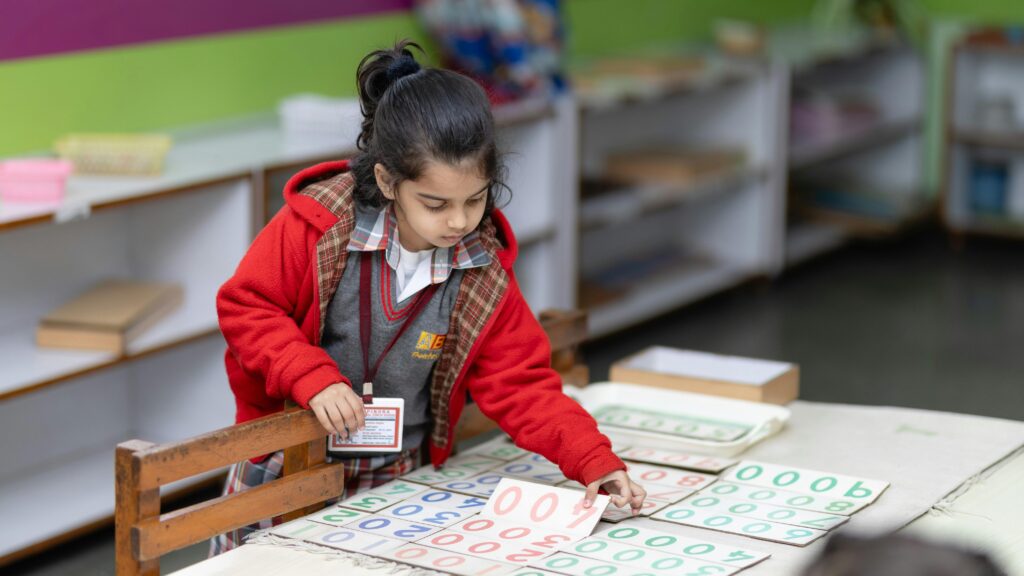
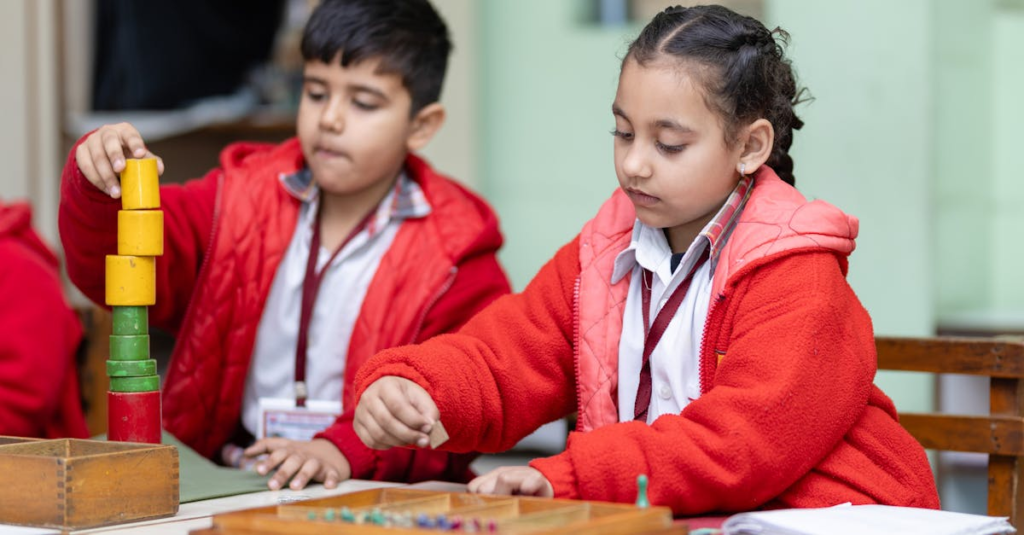
Types of Learning Activities:
1. Cognitive Development
-
- Shape sorting
-
- Matching games
-
- Memory activities
2. Language Development
-
- Phonics and letter recognition
-
- Picture reading
-
- Storytelling
3. Early Math Skills
-
- Counting objects
-
- Identifying numbers
-
- Recognizing patterns
4. Sensory Activities
-
- Sand play
-
- Water play
-
- Clay modeling
These activities stimulate curiosity and help children understand concepts naturally.
Snack Time: Learning Life Skills
Snack time is an important part of the play school daily routine. It teaches children independence and healthy habits.
Skills Developed:
-
- Eating independently
-
- Sharing with peers
-
- Practicing hygiene
-
- Learning table manners
Teachers encourage children to enjoy nutritious food while interacting with their friends.
Outdoor Play: Physical Development and Fun
Outdoor activities are essential for a child’s overall growth. They allow children to explore and stay active.
Outdoor Activities Include:
-
- Running and jumping
-
- Playing on swings and slides
-
- Group games
-
- Nature exploration
Benefits:
-
- Improves motor skills
-
- Builds physical strength
-
- Enhances teamwork
-
- Boosts confidence
Outdoor play adds excitement to the play school daily routine and keeps children energized.
Creative Time: Expressing Imagination
Creativity is a vital part of early childhood education. During creative sessions, children express their ideas freely.
Creative Activities:
-
- Drawing and coloring
-
- Paper crafts
-
- Painting
-
- Music and dance
These activities help develop fine motor skills and encourage self-expression.
Story Time: Learning Through Imagination
Story time is a magical moment in a child’s day. It helps develop listening and comprehension skills.
Benefits of Story Time:
-
- Enhances vocabulary
-
- Improves concentration
-
- Sparks imagination
-
- Teaches moral values
Children often relate to characters and learn important life lessons through stories.
Nap Time or Quiet Time: Rest and Recharge
Rest is essential for young children. A balanced play school daily routine always includes time for relaxation.
Why It Matters:
-
- Supports brain development
-
- Improves mood
-
- Helps children stay active
-
- Enhances memory
Some children nap, while others engage in quiet activities like reading or puzzles.
Group Activities: Building Social Skills
Group activities help children learn how to work together and build friendships.
Examples:
-
- Singing songs
-
- Group games
-
- Collaborative projects
-
- Team-based learning
These activities teach cooperation, patience, and respect
Before leaving, children gather for a closing session.
Activities Include:
-
- Recap of the day
-
- Sharing favorite moments
-
- Singing goodbye songs
This helps children understand and remember what they learned.
Departure: Ending the Day on a Happy Note
Parents pick up their children, and teachers share updates about their day.
Why This is Important:
-
- Keeps parents informed
-
- Builds trust
-
- Encourages parent involvement
Children leave with smiles, carrying new experiences and memories.
How a Play School Daily Routine Shapes the Future
A structured play school daily routine plays a crucial role in a child’s development.
Skills Developed:
-
- Communication skills
-
- Social interaction
-
- Emotional intelligence
-
- Problem-solving ability
-
- Independence
These foundational skills prepare children for formal schooling and life ahead.
Tips for Parents to Support the Routine at Home
Parents can reinforce the play school daily routine at home for better results.
Helpful Tips:
-
- Maintain a fixed schedule
-
- Encourage storytelling
-
- Limit screen time
-
- Promote creative play
-
- Communicate with teachers
Consistency between home and school enhances a child’s development.
Common Challenges and How Play Schools Handle Them
Children may face challenges as they adapt to a routine.
Examples:
-
- Separation anxiety
-
- Difficulty sharing
-
- Short attention span
How Teachers Help:
-
- Providing emotional support
-
- Using engaging activities
-
- Encouraging positive behavior
A good play school daily routine ensures smooth adaptation.
Why Choose a Structured Play School Environment
Choosing a play school with a well-planned routine benefits both children and parents.
Advantages:
-
- Balanced learning and play
-
- Safe and nurturing environment
-
- Professional guidance
-
- Holistic development
Parents can feel confident that their child is in the right place.
Conclusion
A day in the life of a play school child is filled with joy, learning, and meaningful experiences. Every part of the play school daily routine is carefully designed to support a child’s overall development.
From morning greetings to evening goodbyes, children engage in activities that nurture their minds and bodies. Play schools create a strong foundation for lifelong learning by combining education with fun.
Understanding this routine helps parents appreciate the value of early childhood education and make informed decisions for their children