Social Skills in Kids: Why They Matter and How to Develop Them
In today’s fast-paced and interconnected world, social skills in kids play a vital role in growth and success. From making friends to expressing emotions effectively, these skills shape how children interact with others and navigate life’s challenges. Developing strong social skills in kids is just as important as academic learning, especially during early childhood.
This blog explores social skills matters and provides practical, easy-to-follow strategies to help parents and educators nurture these essential abilities.
Social Skills in Kids Include:
-
- Communication and conversation
-
- Listening and understanding
-
- Sharing and cooperation
-
- Empathy and kindness
-
- Respect for others
-
- Conflict resolution
Developing strong social skills in kids allows them to navigate social environments confidently and build meaningful relationships.
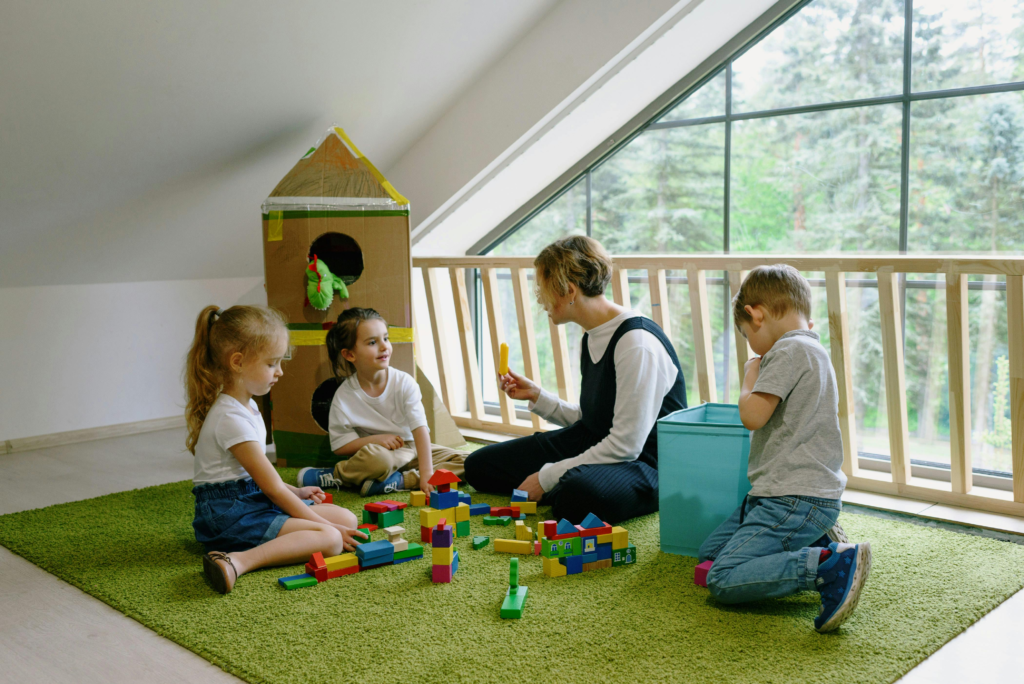
Why are social skills in kids important?
Social skills are just as important as academic learning in early childhood.
1. Builds Confidence
Children who interact well with others feel more secure and confident in social settings.
2. Improves Communication
Effective communication helps children express their thoughts and emotions clearly.
3. Encourages Positive Relationships
Children learn how to make and maintain friendships.
4. Supports Emotional Development
Understanding emotions helps children manage their feelings better.
5. Prepares for Future Success
Strong social skills in kids are essential for teamwork, leadership, and career growth.
Developmental stages of social skills in Kids
Social skills develop gradually as children grow.
1. Infancy (0–1 Year)
-
- Smiling and responding to others
-
- Recognizing familiar faces
2. Toddler Stage (1–3 Years)
-
- Parallel play (playing alongside others)
-
- Beginning to share
3. Preschool Stage (3–5 Years)
-
- Group play
-
- Learning cooperation
-
- Expressing emotions
Each stage contributes to the development in kids.
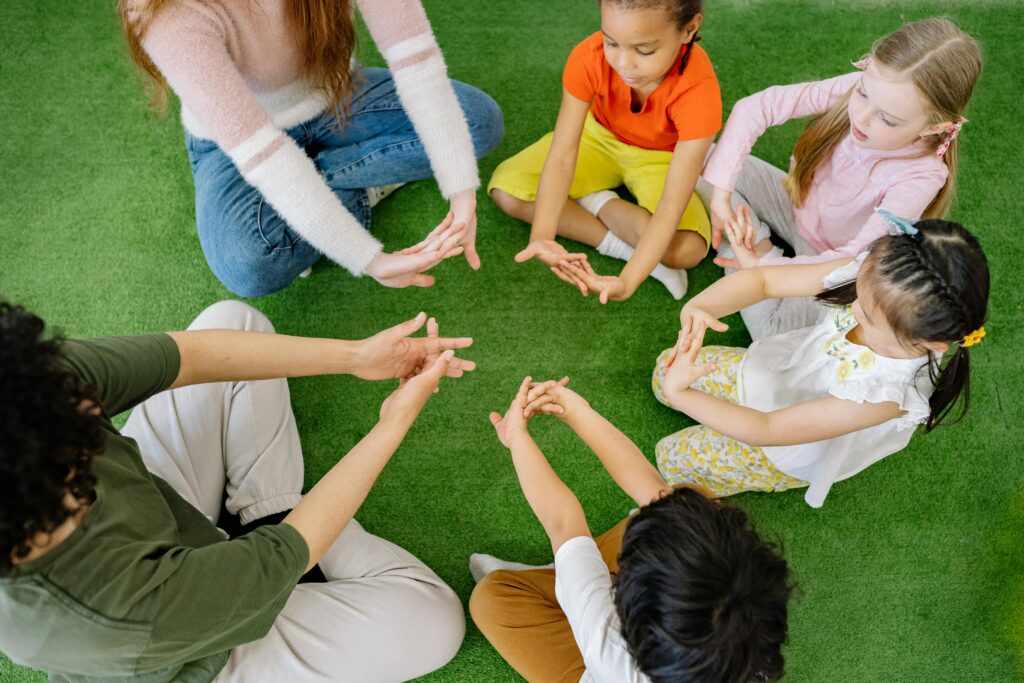
Common Challenges in Social Skills Development
Some children may face difficulties while developing social skills.
Common Challenges:
-
- Shyness or social anxiety
-
- Difficulty sharing
-
- Aggressive behavior
-
- Poor communication
How to Address These Challenges:
-
- Encourage interaction
-
- Provide guidance and support
-
- Model positive behavior
-
- Be patient and consistent
How Play Schools Help Develop Social Skills
Play schools are ideal environments for nurturing social skills in kids.
1. Group Activities
Children learn teamwork through games and collaborative tasks.
2. Structured Interaction
Teachers guide children on how to communicate and behave.
3. Role-Playing
Helps children understand different perspectives.
4. Positive Reinforcement
Encourages good behavior and builds confidence.
Activities to Improve Social Skills in Kids
1. Group Games
Encourage teamwork and cooperation.
2. Storytelling
Teaches empathy and understanding.
3. Art and Craft
Promotes sharing and collaboration.
4. Music and Dance
Builds coordination and social interaction.
5. Pretend Play
Enhances imagination and communication.
These activities make learning social skills in kids enjoyable and effective.
Role of Parents in Developing Social Skills in kids
Parents play a key role in shaping their child’s social behavior.
Tips for Parents:
-
- Encourage playdates
-
- Teach polite words
-
- Model respectful behavior
-
- Talk about emotions
-
- Praise positive actions
Consistency at home strengthens social skills in children
Role of Teachers in Building Social Skills
Teachers act as facilitators of social learning.
What Teachers Do:
-
- Create a supportive environment
-
- Encourage participation
-
- Resolve conflicts calmly
-
- Provide equal attention
Long-Term Benefits of Social Skills in Kids
1. Better Academic Performance
Children communicate better and participate actively.
2. Strong Relationships
They build lasting friendships.
3. Emotional Intelligence
They manage emotions effectively.
4. Career Success
Social skills are essential for teamwork and leadership.
Signs of Strong Social Skills in Kids
-
- Makes friends easily
-
- Shares and cooperates
-
- Listens attentively
-
- Expresses feelings clearly
-
- Handles conflicts peacefully
Creating a Social Skill-Friendly Environment
At Home:
-
- Encourage open communication
-
- Provide opportunities for interaction
At School:
-
- Organize group activities
-
- Promote teamwork
Impact of Technology on Social Skills
Excessive screen time can affect social interaction.
Tips:
-
- Limit screen time
-
- Encourage outdoor play
-
- Promote face-to-face communication
How to Encourage Social Skills Daily
-
- Practice conversations
-
- Play group games
-
- Encourage sharing
-
- Teach problem-solving
Small daily efforts can greatly improve social skills in kids.
Conclusion
Developing strong social skills in kids is essential for their overall growth and future success. These skills help children build relationships, communicate effectively, and navigate social situations with confidence.
Both parents and educators play a vital role in nurturing these abilities. By providing a supportive environment and encouraging positive interactions, we can help children grow into confident, empathetic, and socially capable individuals.
Investing in social skills today ensures a brighter future for every chil