Role of Play in Child Development: A Complete Guide for Parents and Educators
Play is not just a way for children to pass time—it is a powerful tool that shapes their overall growth and development. The Role of Play in child development is crucial, as it influences a child’s physical, emotional, social, and cognitive abilities. From infancy to early childhood, play acts as a natural learning process that helps children explore the world around them.
In today’s fast-paced and technology-driven environment, many parents and educators underestimate the importance of play. However, research consistently shows that play is essential for building a strong foundation for lifelong learning and well-being. This blog explores the Role of Play in detail and highlights why it should be an integral part of every child’s daily routine.
What is Play in Child Development?
Play is any activity that children engage in for enjoyment, exploration, and learning. It is spontaneous, self-driven, and often imaginative. Unlike structured learning, play allows children to express themselves freely while developing essential life skills.
There are different types of play, including:
- Physical play
- Social play
- Cognitive play
- Creative play
- Pretend or imaginative play
Each type contributes uniquely to a child’s development, making the Role of play multifaceted and highly valuable.
Importance of the Role of Play in Early Childhood
The early years of a child’s life are critical for brain development. During this stage, play helps in forming neural connections that support learning and behavior. The Role of Play goes beyond entertainment—it becomes a foundation for future academic and personal success.
Key Reasons Why Play is Important:
- Encourages curiosity and creativity
- Builds problem-solving skills
- Enhances emotional intelligence
- Promotes independence
- Supports overall brain development
Role of Play in Physical Development
Physical development is one of the most visible benefits of play. Activities like running, jumping, climbing, and playing with balls help children develop strength, coordination, and motor skills.
How Play Supports Physical Growth:
- Improves fine motor skills (e.g., drawing, stacking blocks)
- Enhances gross motor skills (e.g., running, jumping)
- Builds muscle strength and flexibility
- Promotes healthy growth and fitness
Outdoor play, in particular, is essential as it allows children to stay active and develop a healthy lifestyle from an early age.
Role of Play in Cognitive Development
The Role of Play in cognitive development is significant because it helps children think, learn, and solve problems. Through play, children experiment with ideas and understand cause-and-effect relationships.
Examples of Cognitive Benefits:
- Enhances memory and concentration
- Develops problem-solving abilities
- Encourages logical thinking
- Improves decision-making skills
Activities like puzzles, building blocks, and educational games stimulate brain development and improve learning outcomes.
3. Role of Play in Social Development
Play teaches children how to interact with others. Whether playing with siblings, friends, or classmates, children learn important social skills through shared experiences.
Social Skills Developed Through Play:
- Sharing and cooperation
- Communication and language skills
- Understanding social rules
- Building friendships
Group play activities help children learn teamwork and respect for others, which are essential for success in school and life.
4. Role of Play in Emotional Development
Children often express their feelings through play. It provides a safe space for them to understand and manage their emotions.
Emotional Benefits of Play:
- Builds self-confidence
- Reduces stress and anxiety
- Encourages self-expression
- Helps in emotional regulation
For example, pretend play allows children to act out real-life situations and process their emotions effectively.
5. Role of Play in Language Development
Play plays a vital role in developing communication skills. Through interaction and storytelling, children expand their vocabulary and improve their ability to express thoughts.
Language Skills Enhanced by Play:
- Vocabulary building
- Sentence formation
- Listening skills
- Storytelling abilities
Activities like role-playing, reading games, and singing songs contribute significantly to language development.
Role of Play in Creativity and Imagination
One of the most exciting aspects of play is its ability to spark creativity. Children use their imagination to create new worlds, stories, and ideas.
Creative Benefits:
- Encourages innovative thinking
- Enhances imagination
- Promotes artistic expression
- Builds confidence in ideas
Creative play includes drawing, painting, storytelling, and pretend games, all of which strengthen the Role of Play in child development.
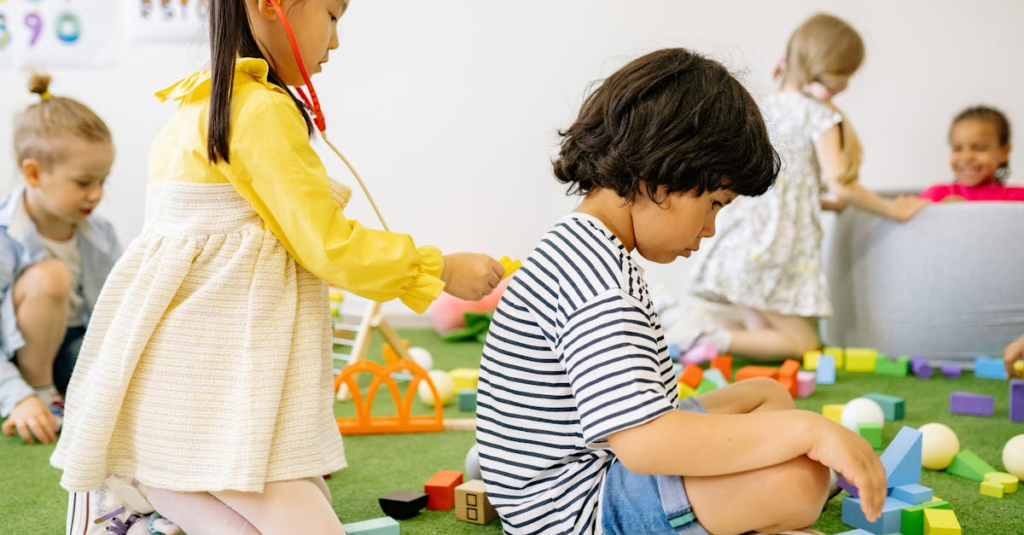
Types of Play and Their Benefits
Understanding different types of play helps parents and educators provide the right opportunities for children.
a) Free Play
Unstructured and child-led activities that allow freedom and creativity.
b) Structured Play
Organized activities guided by adults, such as games with rules.
c) Indoor Play
Includes puzzles, board games, and art activities.
d) Outdoor Play
Includes running, sports, and nature exploration.
Role of Play in Building Independence
Play encourages children to make decisions and take responsibility for their actions. It helps them develop independence and confidence.
How Play Builds Independence:
- Encourages self-directed learning
- Develops decision-making skills
- Builds confidence in abilities
- Promotes problem-solving
Children who engage in regular play tend to be more independent and self-reliant.
Role of Play in Academic Readiness
Play prepares children for formal education by developing essential skills required for learning.
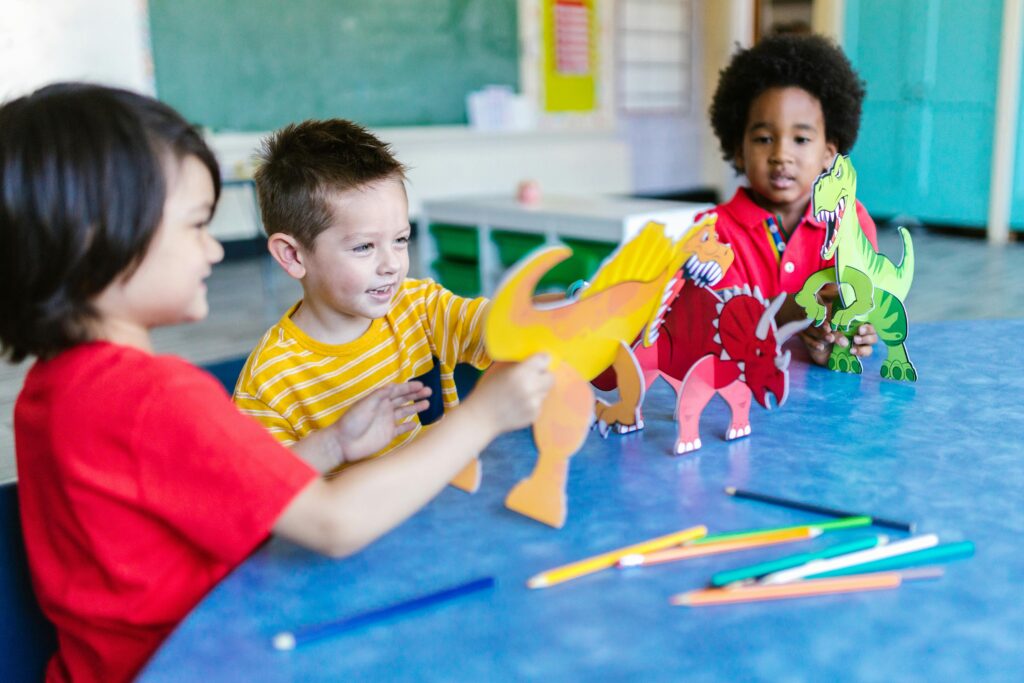
Academic Benefits of Play:
- Improves attention span
- Enhances memory
- Develops early math and literacy skills
- Encourages curiosity for learning
Play-based learning is widely used in early childhood education because of its effectiveness.
Role of Play in Developing Life Skills
The Role of Play extends beyond childhood, as it helps develop skills that are useful throughout life.
Life Skills Learned Through Play:
- Leadership
- Teamwork
- Time management
- Adaptability
These skills are essential for personal and professional success in the future.
Role of Parents and Teachers in Encouraging Play
Parents and educators play a crucial role in supporting play activities.
Tips to Encourage Play:
- Provide safe and engaging play environments
- Allow free time for unstructured play
- Limit screen time
- Participate in play activities
- Offer age-appropriate toys and materials
By actively supporting play, adults can maximize the Role of Play in a child’s development.
Impact of Technology on Play
While technology offers educational benefits, excessive screen time can reduce opportunities for physical and social play.
Balancing Technology and Play:
- Encourage outdoor activities
- Set screen time limits
- Promote interactive games instead of passive viewing
- Combine technology with learning-based play
Maintaining a balance ensures children benefit fully from the Role of Play.
Challenges in Promoting Play
Despite its importance, many children today face challenges in engaging in play.
Common Challenges:
- Busy schedules
- Academic pressure
- Lack of safe play spaces
- Increased screen time
Addressing these challenges is essential to preserve the Role of Play in child development.
Practical Activities to Promote Play
Here are some simple activities that parents and educators can introduce:
Indoor Activities:
- Building blocks
- Drawing and painting
- Storytelling games
Outdoor Activities:
- Running and jumping games
- Playing with balls
- Nature walks
Group Activities:
- Role-playing games
- Team sports
- Group storytelling
These activities strengthen the Role of Play while making learning enjoyable.
Conclusion
The Role of Play in child development is undeniable. It is not just a leisure activity but a fundamental part of a child’s growth. Through play, children develop physical strength, cognitive abilities, social skills, emotional intelligence, and creativity.
Incorporating play into daily routines ensures that children grow into well-rounded individuals. Parents and educators must recognize its importance and create opportunities for meaningful play experiences.
By prioritizing play, we are not only enhancing childhood experiences but also building a strong foundation for a successful future.