Importance of Learning Through Play in Early Childhood
In the early years of a child’s life, learning does not happen only through books or structured lessons. Instead, it happens through curiosity, exploration, and most importantly, play. Learning Through Play is one of the most effective and natural ways children understand the world around them.
Children are naturally active and inquisitive. When they play, they are not just having fun—they are developing essential skills that shape their future. From building blocks to storytelling, every playful activity contributes to their mental, emotional, and physical growth.
In modern education, especially in play schools like Rainbow Play School, Learning Through Play is becoming a core teaching method. It allows children to learn without pressure, making education enjoyable and meaningful.

What is Learning Through Play?
Learning Through Play is an educational approach where children gain knowledge and skills through playful activities rather than traditional classroom methods. It combines fun with learning, allowing children to explore concepts naturally.
This method includes:
- Games
- Role-playing
- Storytelling
- Creative activities
- Outdoor play
Instead of memorizing information, children learn by doing, experiencing, and interacting.
Why Learning Through Play is Important
1. Supports Natural Development
Children learn best when they are engaged and interested. Learning Through Play allows them to explore at their own pace, making learning more effective and enjoyable.
2. Builds a Strong Foundation
The early years are critical for brain development. Play-based learning helps create strong neural connections, which support future academic success.
3. Reduces Learning Pressure
Unlike traditional teaching methods, Learning Through Play removes stress and fear. Children feel relaxed and confident, which improves their ability to learn.
Key Benefits of Learning Through Play
1. Enhances Cognitive Skills
One of the biggest advantages of Learning Through Play is improved thinking ability. Activities like puzzles, matching games, and building blocks help children:
- Improve memory
- Develop problem-solving skills
- Increase concentration
For example, when children play with shapes or blocks, they learn about size, balance, and structure without formal teaching.
2. Improves Social Development
Play encourages children to interact with others. Through group activities, they learn:
- Sharing
- Cooperation
- Teamwork
- Respect for others
These social skills are essential for building relationships in school and life.
3. Boosts Emotional Growth
During play, children experience different emotions. They learn how to:
- Handle success and failure
- Express feelings
- Develop patience
For instance, losing a game teaches resilience, while winning boosts confidence.
4. Strengthens Communication Skills
Language development improves significantly through Learning Through Play. Activities like storytelling, singing, and pretend play help children:
- Learn new vocabulary
- Improve speaking skills
- Express thoughts clearly
This builds strong communication abilities from an early age.
5. Encourages Creativity and Imagination
Creative play allows children to think freely. Drawing, painting, and role-playing help them:
- Explore new ideas
- Build imagination
- Develop creative thinking
For example, pretending to be a doctor or teacher helps children understand real-world roles.
6. Promotes Physical Development
Physical activities are an important part of Learning Through Play. Running, jumping, and climbing help children:
- Improve coordination
- Build strength
- Develop motor skills
Outdoor play is especially important for a child’s physical health.
7. Develops Problem-Solving Skills
When children face challenges during play, they learn how to find solutions. This improves critical thinking and decision-making skills.
Types of Learning Through Play
1. Free Play
Children choose their activities without guidance. This encourages independence and creativity.
2. Guided Play
Teachers or parents provide direction while allowing children to explore.
3. Physical Play
Includes outdoor games and activities that improve physical fitness.
4. Creative Play
Activities like art, music, and crafts that enhance imagination.
5. Social Play
Group activities that develop communication and teamwork.
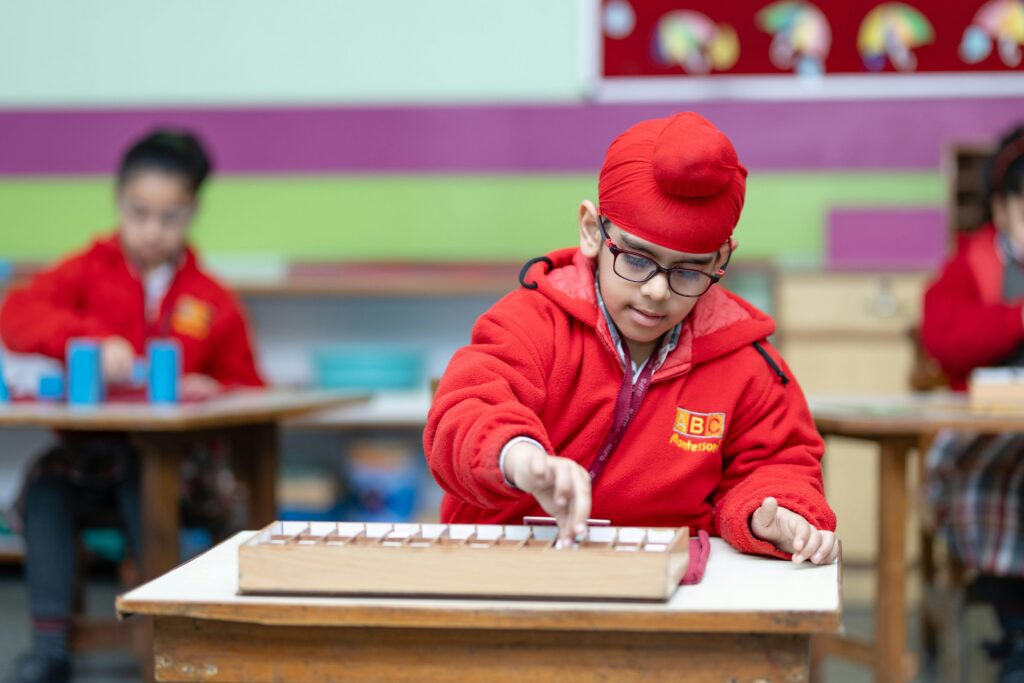
Role of Teachers in Learning Through Play
Teachers play a vital role in implementing Learning Through Play effectively. In a play school environment, they:
- Create a safe and engaging atmosphere
- Encourage participation
- Guide children gently
- Observe individual learning styles
At Rainbow Play School, teachers can design fun activities that combine education with enjoyment, ensuring children stay engaged.
Role of Parents in Supporting Learning Through Play
Parents are equally important in encouraging Learning Through Play at home. Here are some simple ways to support it:
- Provide educational toys like puzzles and blocks
- Spend time playing with children
- Encourage outdoor activities
- Limit screen time
- Allow children to explore freely
When parents actively participate, children feel more motivated and confident.